Your business is more like an F-35 than you might think.

You don't know what you can't see
In July 2023 I walked into Lockheed Martin Aeronautics in Fort Worth as a new engineer.

The production team building the F-35 were so busy with the build that they couldn't see the recurring problems that were slowly leading to defects, wasted hours, and ultimately lost money.
Even if they could see these problems, they didn't have the time to fix them. That's where my team came in. Our job was root cause corrective action, to identify the silent problems that were happening behind the scenes and implement the long-term fix.
I started by looking into everything the floor could give me, from engineering docs, to process flows, defect data, and more. After I had all the context I could gather, I would help make sense of it, propose the path forward, and lead the execution across all teams involved.
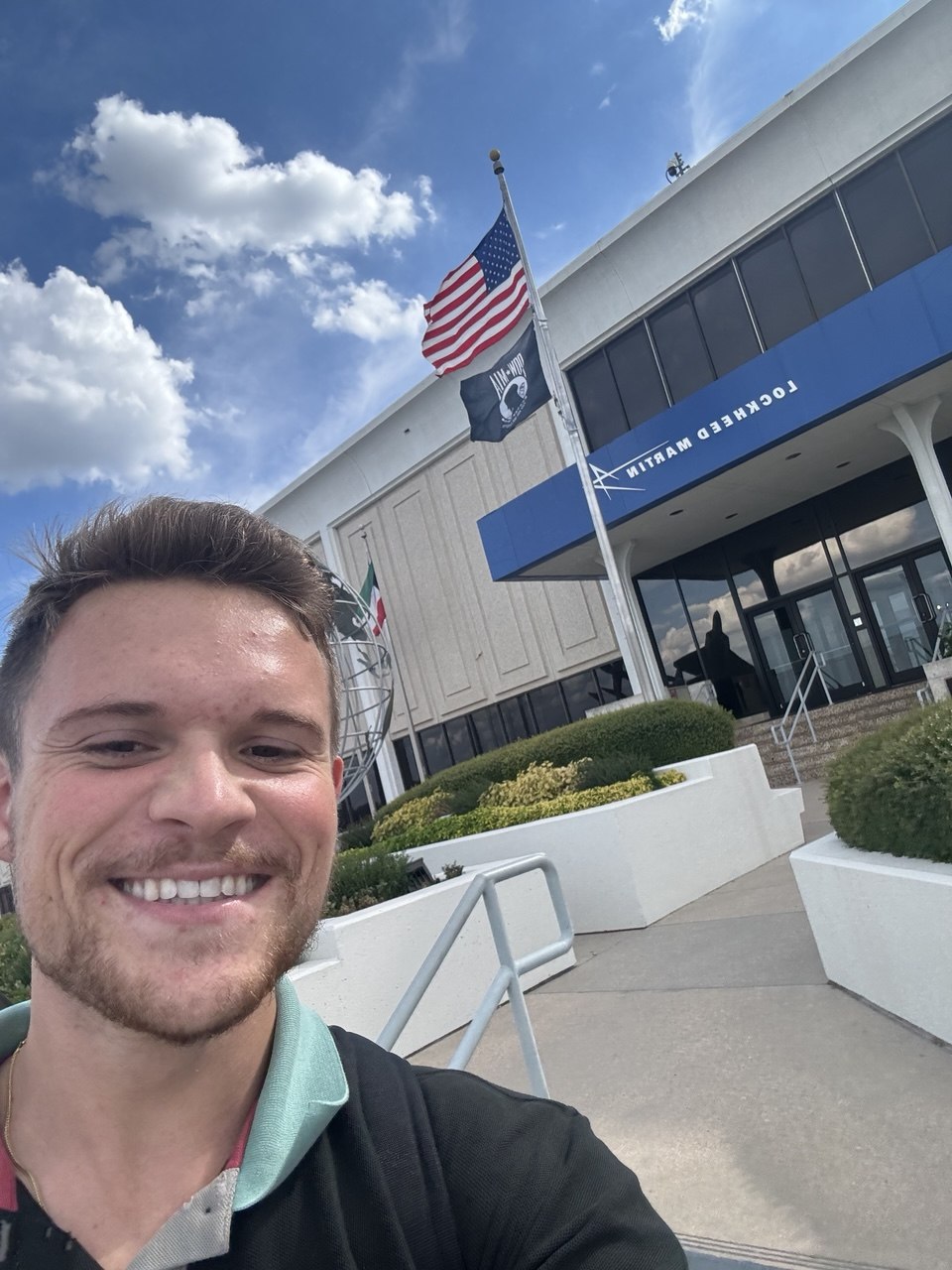
In August 2024 I quit. A year later I started Vantum Strategies, and the job description barely changed: find the recurring problems a busy operation can't see, and fix them at the cause.
Steve Riach
CEO · The One Heart Project
Steve is a movie producer who also runs a nonprofit, and he would tell you himself that he isn't technical. He was exactly the kind of person who wanted to leverage AI but didn't know where to start. Now, he leverages Claude to manage his day across all of the organizations he's involved with.
Your warning lights are already on
You run a company or a practice or a team inside one. You don't have time to step back and work out why AI hasn't delivered for you, any more than the floor had time to chase root causes between builds. So the problems recur, quietly, every week:
The blank box
You pay for Claude, and every chat starts from zero. It doesn't know your name, your calendar, or your business.
The scatter
Your context lives in ten tools and a hundred dead conversations. Finding your own work is a job.
Nothing runs without you
If you're not typing, nothing happens. Meanwhile email, meetings, and admin eat 10 to 20 hours of your week.
And every AI fix you've tried held for about seven days. They were Band-Aids. Another tool, another course. Patches on a system nobody ever set up.
The cause was never you. It's an unconfigured system: AI with no memory, no eyes, no hands. I've run this exact diagnosis across fitness, nonprofits, health and wellness, home improvement, and financial services. One client, a nonprofit CEO in his sixties, had his first automated morning brief running in an afternoon. The industry changes. The cause rarely does.
If you don't know where to start, start here
There's more AI talk every week and less clarity about what to actually do first. You don't know what you don't know, and nobody's handing you a starting point. So here's mine: the Claude Quickstart Guide, your first moves in plain words, written for busy people who have no interest in becoming technical.